Dental Crowns in Oxnard CA for Restoring Confidence and Comfort
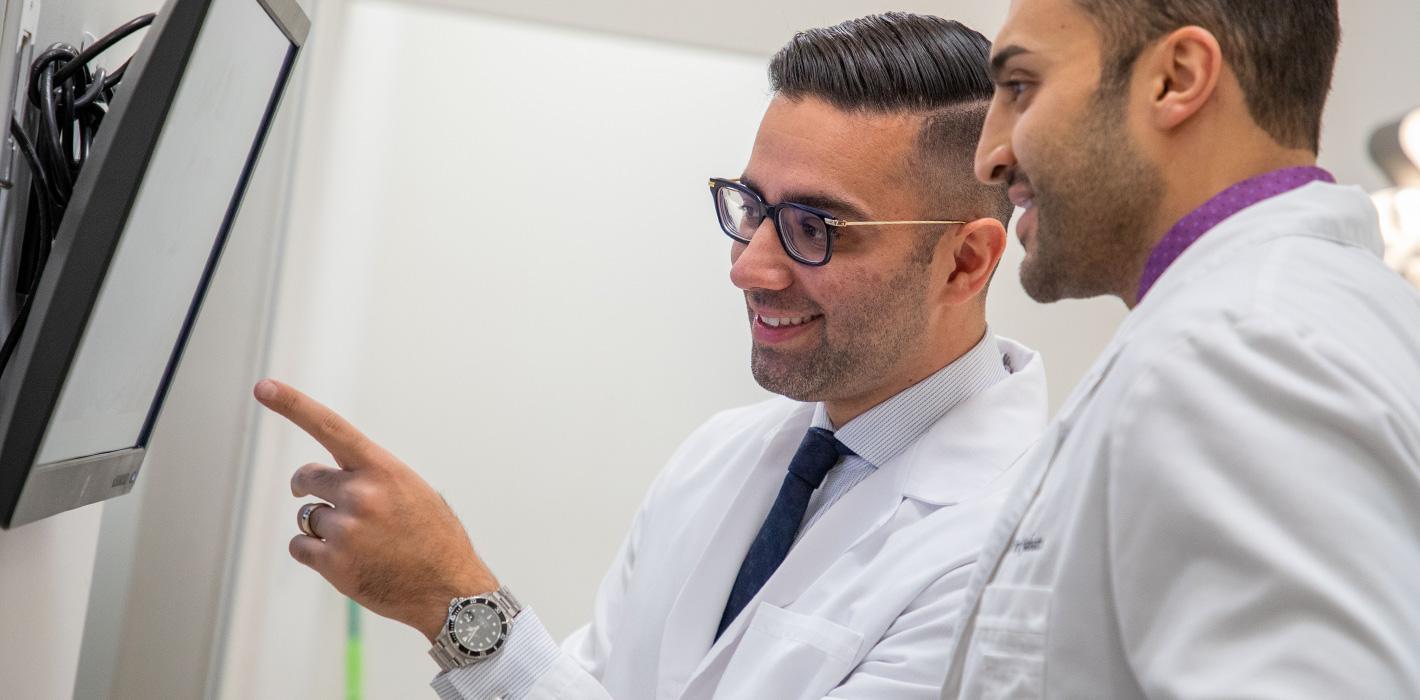
A damaged tooth changes more than your bite. It can make you chew on one side, avoid cold drinks, cover your mouth when you laugh, and put off treatment because the problem feels manageable, until it is not. I have seen that pattern often with patients who first come in saying they only want a quick fix, then admit they have been living with tenderness, food traps, or a visible crack for months.
Dental crowns often become the right answer when a tooth needs real structural support, not just a cosmetic patch. A crown covers the visible portion of the tooth and helps restore strength, shape, and function. In many cases, it also gives a patient something less tangible but just as important: peace of mind. Eating becomes easier. Smiling feels natural again. That background worry that the tooth might chip further or start hurting at the wrong moment begins to fade.
For people searching for Dental Crowns Oxnard CA, the conversation is rarely only about restoring a tooth. It is also about timing, cost, comfort, appearance, and whether the treatment will hold up under daily life. Crowns can be excellent restorations, but they are not one size fits all. The best outcomes come from understanding when a crown is appropriate, what material fits the situation, and how careful planning affects long term success.
When a tooth needs more than a filling
A filling works well when damage is limited and enough healthy tooth remains to support normal chewing forces. A crown comes into the picture when the tooth has lost too much structure, either from decay, fracture, wear, or a large older filling that has weakened the remaining enamel.
Back teeth take the brunt of chewing pressure. If a molar has a broad crack line or a large cavity that leaves thin walls behind, placing another filling can sometimes be like patching drywall in a frame that is already bending. It may look improved for a while, but it does not solve the underlying weakness. A crown wraps the tooth more completely and helps distribute force in a more stable way.
Front teeth present a different set of concerns. Here, strength still matters, but so do shape, translucency, and how the tooth looks under daylight. A front tooth that has had root canal treatment, trauma, or repeated bonding may need a crown not only because it is compromised, but because the patient wants a more predictable and durable cosmetic result.
There are also cases where the need is less dramatic but still important. Teeth with severe wear, teeth supporting bridges, and dental implants often rely on crowns as part of a broader restorative plan. The crown itself is not the whole treatment, it is one piece in rebuilding comfortable function.
Signs a crown may be worth discussing
Sometimes the need is obvious, such as a broken cusp or a tooth that already had root canal treatment. Other times, the signs are subtler and easy to dismiss.
- A large filling keeps chipping, loosening, or trapping food
- A tooth hurts when biting, even if it is not constantly aching
- Visible cracks, worn edges, or missing chunks are getting worse
- A root canal treated tooth feels fragile or looks dark
- A misshapen or heavily damaged tooth affects your smile and chewing
Not every one of these signs means you definitely need a crown. It does mean the tooth deserves a close exam, often with X-rays and a discussion of bite forces, not just a quick glance.
Why crowns often improve comfort as much as appearance
People understandably focus on the cosmetic side of Dental Crowns. A well made crown can absolutely improve the look of a worn, broken, or discolored tooth. Still, the day to day comfort matters just as much.
A cracked tooth is a good example. Patients describe it in different ways. Some say they feel a sharp zing when they release their bite. Others say popcorn or seeded bread sets it off. A crown can help by bracing the tooth and reducing flex under pressure. When the diagnosis is correct and the crack has not extended too far, that change can be dramatic. A patient who has been nervously avoiding one side of the mouth may suddenly feel able to chew normally again.
Another common scenario involves a tooth with a very large old filling. Over time, margins can leak, enamel can weaken, and the remaining tooth can flex. Even before there is major pain, the tooth may feel unreliable. Once restored with a well fitted crown, the tooth often feels stable in a way patients notice immediately. It is not only about eliminating pain. It is about removing that sense that something is not right every time they bite down.
Materials matter, but context matters more
One of the first questions patients ask is what kind of crown they should get. That is the right question, but the answer depends on where the tooth is, how heavy the bite is, how much space is available, whether esthetics are critical, and what the underlying tooth condition looks like.
All ceramic crowns are popular because they can look very natural. Modern ceramics can be strong and attractive, especially for visible areas where blending with surrounding teeth is important. They are often a solid choice for front teeth and many premolars. In the right case, they also work well on molars.
Porcelain fused to metal crowns have been used for many years. They can be durable and serviceable, though some patients prefer to avoid the possibility of a dark line near the gum over time. Full metal crowns, while less common for visible teeth, still have value in certain back tooth situations because they can be conservative and wear well.
The material is only part of the equation. Preparation design, bite adjustment, lab quality, and the health of the tooth underneath often matter just as much. I have seen beautiful ceramic crowns fail early because the bite was off or decay remained at the margin. I have also seen less glamorous restorations last many years because they were planned carefully and maintained well.
That is why a good dentist will not reduce the decision to a menu of materials alone. The better conversation is, “What is this tooth dealing with, what forces will it face, and what restoration gives it the best chance to function comfortably?”
What the process usually looks like
A crown procedure is straightforward from the patient’s perspective, but a lot of precision happens behind the scenes. The appointment usually begins with evaluation, anesthesia if needed, and preparation of the tooth so the final crown can fit securely and naturally. If there is old decay or a compromised filling, that is addressed first. In some cases, the tooth needs a buildup to create a stronger foundation.
After the tooth is shaped, an impression or digital scan is taken. This is where fit begins. A good impression captures margins clearly and records enough detail for the final crown to seat properly. The dentist also checks the bite and shade, especially if the tooth is in the smile line. A temporary crown is then placed to protect the prepared tooth while the final restoration is made.
Temporary crowns deserve more respect than they sometimes get. They are not meant to last long, but they do a lot of work in the short term. They help protect sensitivity, hold space, and give both the patient and dentist feedback on shape and comfort. If a temporary feels too bulky, catches floss awkwardly, or changes speech, that information can be useful before the permanent crown is delivered.
At the delivery visit, the dentist checks the final crown for fit, contacts, color, and bite. This step should not feel rushed. Small adjustments matter. A crown that sits just a little high can create soreness, jaw tension, or a feeling that the tooth is “off” even if it looks fine. Once the fit is confirmed, the crown is cemented or bonded in place.
Some offices offer same day crowns using in office scanning and milling technology. For the right case, that can be convenient and efficient. Still, same day is not automatically better. Complex cosmetic cases, edge to edge bites, deep margin work, or highly individualized esthetic demands may benefit from a trusted lab and a more traditional workflow. Speed is helpful, but fit and function should lead the decision.
The role of crowns after root canal treatment
A tooth that has had root canal treatment often needs a crown, especially if it is a molar or premolar. The reason is https://www.merchantcircle.com/oxnard-dentistry-oxnard-ca not that the root canal itself damages the tooth. The issue is usually that these teeth have already lost significant structure from decay, prior fillings, or access needed to complete treatment. They become more prone to fracture if left unprotected.
Patients sometimes feel relief once the infection or pain is gone and wonder if they can stop there. In some limited cases, especially with small front teeth and minimal structural loss, a crown may not be necessary. But for many back teeth, delaying the final restoration can be risky. The tooth may feel fine until one day it cracks below the gumline, turning a restorable tooth into one that may need extraction.
That is one of the harder conversations in practice, because the patient often feels they already invested in major treatment and wants to postpone the next step. Unfortunately, the crown is not an optional cosmetic add on in these cases. It is often the protection that makes the root canal worth doing in the first place.
How crowns compare with other options
A crown is not always the first or only answer. Conservative dentistry matters. If a tooth can be restored predictably with a bonded filling or onlay, preserving more natural tooth structure may be the better choice. Onlays in particular can be excellent for certain teeth, covering damaged cusps while avoiding full crown coverage.
Bonding can work well for small chips and some front tooth cosmetic concerns, though it may stain, chip, or require maintenance over time. Veneers can improve esthetics for front teeth but are not interchangeable with crowns. Veneers cover the front surface primarily, while crowns encircle the tooth and are used when more structural support is needed.
Extraction and replacement with an implant is sometimes presented too casually in the broader marketplace. A tooth that can be predictably saved is often worth saving. Implants are excellent in the right circumstances, but they are not superior simply because they are newer or more expensive. Keeping natural tooth structure when feasible usually remains a strong priority.
What patients in Oxnard often ask about comfort and recovery
The most common concern is whether getting a crown hurts. During the preparation visit, local anesthetic typically keeps the procedure comfortable. After the numbness wears off, mild soreness at the gumline or temporary sensitivity can happen, especially if the tooth was already irritated or if a lot of prior work was removed. Most people return to normal activities the same day.
The temporary period is where small inconveniences can show up. Sticky foods can dislodge a temporary crown. Cold sensitivity may come and go. Flossing usually requires a slightly different technique, often sliding floss out rather than lifting it straight up. None of this is unusual, but patients appreciate hearing it before they leave the office.
The final crown should feel natural fairly quickly. If it continues to feel high, awkward, or painful to bite on after the first few days, it should be checked. Minor bite issues are usually simple to adjust, but leaving them alone can create needless discomfort and strain.
Longevity depends on more than the crown itself
A crown can last many years, but there is no honest universal lifespan that applies to every patient. I prefer to talk in terms of conditions rather than promises. A crown placed on a tooth with healthy gums, good home care, a balanced bite, and no heavy grinding has a very different outlook than a crown placed in a dry mouth with active decay risk and strong clenching habits.
The restoration does not get cavities, but the tooth around it still can. Decay often starts at the margin where crown meets tooth, especially if plaque control is inconsistent or diet is high in frequent sugar exposure. Gum recession can also expose vulnerable root surfaces near the crown margin over time.
Night grinding is another major factor. Patients who clench or grind often wear down opposing teeth, chip ceramic, or place extraordinary pressure on restorations. In those cases, a night guard may be a practical investment, not an upsell. Protecting the bite protects the dental work.
Daily habits that help crowns last
Most crown maintenance is ordinary good dentistry, but ordinary matters. Fancy treatment fails when daily habits fail.
- Brush thoroughly along the gumline, not just the visible surface of the crown
- Clean between teeth every day, especially where food tends to pack
- Avoid using teeth to open packages or bite hard objects like ice
- Wear a night guard if you clench or grind
- Keep regular exams so small bite or margin issues are caught early
One pattern I have seen repeatedly is that patients assume a crowned tooth is somehow “taken care of” permanently, so they worry less about it. The opposite mindset is more useful. A crowned tooth is often a tooth that has already been through a lot. It deserves more attention, not less.
Aesthetic expectations should be discussed plainly
When a crown is on a front tooth, details matter. Patients notice shape, brightness, texture, and how the crown looks under different lighting. They also notice whether it matches the neighboring tooth when they smile from certain angles. This is where communication before the crown is made becomes essential.
Photos, shade mapping, and discussion of goals can make a real difference. Some patients want the crown to disappear completely among natural teeth. Others are planning whitening and want the crown coordinated with future cosmetic work. If the adjacent front tooth has unique character, such as faint translucency at the edge or slight rotation, the crown should account for that. A technically acceptable crown can still feel disappointing if it misses the subtleties the patient cared about.
It also helps to set realistic limits. Natural teeth are not factory identical. Matching one single front tooth can be among the most demanding tasks in restorative dentistry because the neighboring tooth becomes the standard. Good cosmetic work is often the result of careful collaboration between dentist, patient, and lab, not luck.
Cost, value, and the danger of bargain thinking
Crowns are an investment, and patients are right to ask what they are paying for. The fee often reflects several layers at once: the dentist’s time and judgment, materials, lab work, imaging or digital scanning, temporary fabrication, and follow up adjustments if needed.
Cheaper is not always worse, and higher priced is not always better. Still, unusually low pricing should prompt questions. Was the diagnosis thorough? Is the material appropriate? Is the office planning enough time for margin refinement and bite adjustment? Is there a clear plan if the temporary comes off or the crown needs refinement after delivery?
The value of a crown is not simply having something cemented on a tooth. The value is getting a restoration that fits well, protects the tooth, feels comfortable, and stands up to real use. A crown that has to be remade, adjusted repeatedly, or replaced early because the original plan was rushed is not a bargain.
For patients exploring Dental Crowns Oxnard CA, it is worth looking beyond convenience and promotions. Ask how the office evaluates whether a crown is necessary, what materials they use in different situations, and how they handle bite checks and follow up. Those answers often tell you more than the headline price.
Choosing a provider with the right mindset
Technical skill matters, but so does restraint. A trustworthy dentist does not recommend crowns casually when a tooth can be restored more conservatively. At the same time, they should be candid when a filling is unlikely to hold up and a crown would better protect the tooth. That balance is a sign of judgment.
Pay attention to how the office explains your options. Do they show you the crack, decay, or failing filling on an image? Do they explain why a crown is being recommended for this specific tooth rather than speaking in generalities? Do they discuss alternatives, risks, and likely maintenance? Patients usually feel the difference between being guided and being sold to.
It also helps when the office has a process for the details that affect comfort. Temporary crown instructions, fit verification, shade communication, and willingness to make bite adjustments after placement are not glamorous parts of dentistry, but they are often what make the experience go smoothly.
Restoring more than a tooth
A well made crown can be a practical piece of dentistry. It can also be a turning point for someone who has been eating carefully, smiling cautiously, or waiting for a small problem to become urgent. That is why the best crown appointments are not really about the crown alone. They are about restoring normalcy.
When treatment is planned well, the tooth feels dependable again. You stop thinking about whether that side will hurt when you chew. You stop checking the mirror to see if the fracture line has gotten darker. You laugh without instinctively covering your mouth. Function and confidence return together, which is exactly why crowns remain such an important part of modern restorative care.
For many patients, the real measure of success is simple. The tooth blends into daily life so completely that they forget it was ever a problem. That kind of comfort is not flashy, but it is hard to overstate its value.
Oxnard Dentistry
Address: 1730 E Gonzales Rd, Oxnard, CA 93036
Phone number: +18056049999
FAQ About Dental Crowns Oxnard CA
How long do crowns last on teeth?
Dental crowns typically last 10 to 15 years, but can last 20 to 30 years with excellent oral hygiene. Lifespan depends heavily on the crown material, your daily brushing and flossing habits, and whether you clench or grind your teeth.
What is the downside of crowns on teeth?
The primary downside of dental crowns is that the preparation process is irreversible. To properly fit a crown, a dentist must permanently shave down a significant portion of your natural tooth enamel. This exposes the tooth to potential risks like nerve inflammation, increased sensitivity, and structural weakening.
Why do dentists push for crowns?
Dentists often recommend crowns to save a structurally compromised tooth. If a tooth is heavily cracked, worn down, or has a cavity too large for a filling, a filling will not provide enough structural support, causing the tooth to eventually split. Crowns act like protective helmets, preventing tooth loss.